
Q&A with Dr Sharlene Greenwood: How Kidney Beam was created to help some of the most clinically vulnerable during the Covid-19 outbreak
The outbreak of the Covid-19 pandemic has had major ramifications for all areas of healthcare delivery around the globe. However, there’s no doubt that one of the worst-affected patient groups has been people living with kidney disease, who have had to be doubly careful to avoid infection and have had many of their usual services disrupted.
Kidney disease patients are among the most clinically vulnerable whose usual face-to-face appointments have been interrupted. Most have had no choice but to shield throughout the pandemic, cutting them off from vital social support and confining them to their houses with limited options for physical activity.
As a Consultant Physiotherapist working with kidney patients at King’s College Hospital, and President of the British Renal Society, Dr Sharlene Greenwood was keenly aware of the significant impact of the pandemic on those living with kidney disease, particularly the lack of vital physical rehabilitation and support for mental health.
That’s why she teamed up with Beam to launch a groundbreaking pilot scheme delivering remote physical activity, education and emotional support sessions via a virtual platform, which could be delivered safely in peoples’ homes. Supported through funding from Kidney Research UK, the service was quickly christened with the affectionate title Kidney Beam and launched in just a few weeks.
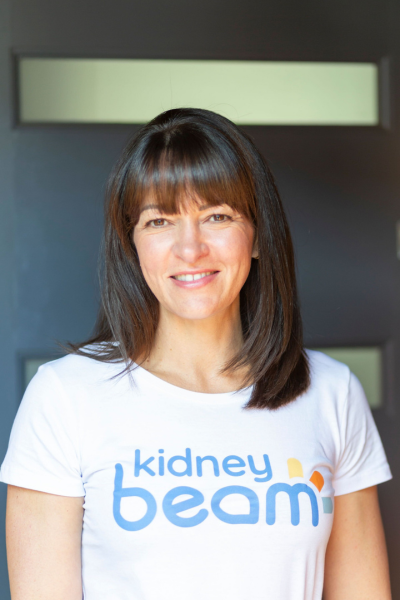
Fast forward six months; and Kidney Beam has been a massive success. With over 1,000 signups to the service and more than 80,000 total minutes clocked up in online classes, its funding has just been renewed for another year; and the team are focusing on a large research project, expanding class content and spreading the word as much as possible among the kidney community.
We caught up with Dr Greenwood to get her take on how the first six months progressed and find out what exciting plans there are for the future.
1) What was it that prompted you to innovate and take your services online?
After Covid-19 broke out, I was extremely concerned that we were not able to see patients face to face for our rehabilitation classes or clinics at King’s College Hospital. I was keen to find a way to safely connect with patients at this difficult time, and considered a number of options which included digital formats. This led me to have a conversation with Beam co-founders Pamela and Katie about whether we could do something for our kidney patients.
2) Why did you choose to use Beam to deliver this service?
I had already heard about how fantastic the platform was for people living with cystic fibrosis, and decided to approach the team to see if we could adapt the platform for people living with kidney disease, rather than reinvent the wheel. I loved the platform and the patient-friendly approach, and speed was of the utmost importance due to the Covid-19 crisis. Beam already had the technology and a lot of experience delivering remote wellness services to people who had to be careful to avoid infection.
3) How did you involve the patients in developing your new service/how did they react?
We had several meetings with patients from King’s College Hospital, and also patients linked with Kidney Research UK, about whether they would welcome movement and emotional wellbeing classes on a digital platform. There was an overwhelmingly positive response from patients, and we took on board all suggestions for timings, format and types of physical activity classes. Patients have been involved throughout the pilot, and now with the research project too.
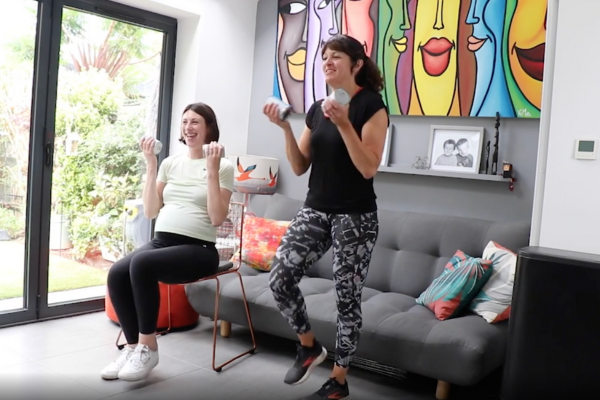
4) What do you think are the main benefits to online service delivery?
We have been able to welcome people from a much wider geographical area and have been able to refer patients from all our clinics. There is also access to a rehabilitation service for the first time for many patients who have not been able to access such services before. Prior to Kidney Beam, access to rehabilitation services for people living with kidney disease was not routinely offered by the NHS, with very few kidney-specific physiotherapists in the UK.
5) Have you decided to continue delivering this service following the pilot/how do you plan to evolve what you're doing?
We have been very fortunate to have patient access funded by Kidney Research UK for a further 12 months for people living with kidney disease in the UK. We will continue to deliver our programme and conduct a research study to evaluate the clinical value and cost of the service to assist with future commissioning by the NHS.
6) Did you feel uncomfortable in any way moving your services online?
Once we had established the process and ensured that we had everything in place to ensure that we could safely deliver the programme online, we felt quite comfortable. Learning from the Beam for Cystic Fibrosis team was so useful and really made the process smooth.
7) Were there any benefits from this way of service delivery that you weren't expecting?
We were pleasantly surprised by how many patients from geographical areas that we hadn’t been able to serve previously, were able to sign up and use the service. The ease of data collection, and the amazing support of marketing, social media and studio managers, who help to “co-pilot” the online classes, was invaluable.
8) Do you think a remote service like this will still have a role to play in patient care post Covid-19?
Absolutely! It is my intention to try and get Kidney Beam commissioned by the NHS, so that we can routinely offer exercise-based rehabilitation and emotional wellbeing for all people living with kidney disease.
9) What's your advice to others developing remote rehab services and who are feeling restricted/daunted about getting started?
I would recommend the team at Beam to support any new rehab services! They have several years of experience across several different health conditions - now including cancer and women’s health alongside CF and kidney disease - and some really innovative technology coming down the track. Everyone’s really friendly and they can walk you through anything you’re unsure of.
The team at Beam are extremely proud of the impact Kidney Beam has had so far for people living with kidney disease, and are looking forward to delivering vital online support for kidney patients throughout 2021 and beyond. Being able to work with clinicians and charities to develop new programmes is something we’re very passionate about. If you’re a clinician, charity professional or commissioner looking to take exercise, education or wellness services online, reach out to hello@kidneybeam.com with any questions.