
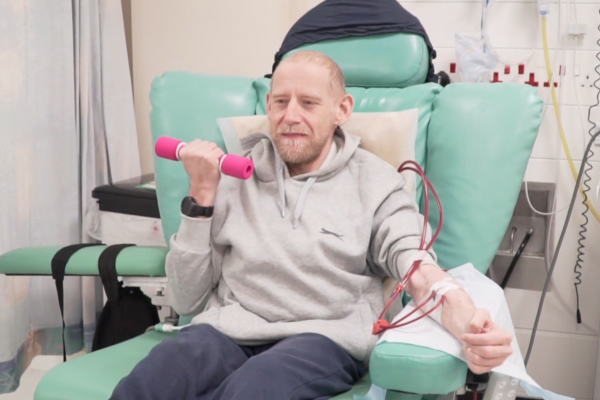
A new white paper published by Kidney Beam sets out the case for rolling out digital prevention, physical therapy and rehabilitation at scale across the UK to help tackle an unprecedented rise in cardio-kidney-metabolic (CKM) conditions, and potentially save billions for the NHS.
Featuring a foreword from Sandra Currie OBE, Chief Executive of Kidney Research UK, “Reimagining rehabilitation for people with cardio-kidney-metabolic syndrome conditions - from inactivity to empowerment” lays out the major challenges faced by a rapid rise in kidney disease and associated conditions such as obesity, diabetes and heart disease, compounded by a critical shortage of workforce to deliver targeted physical therapy for patients.
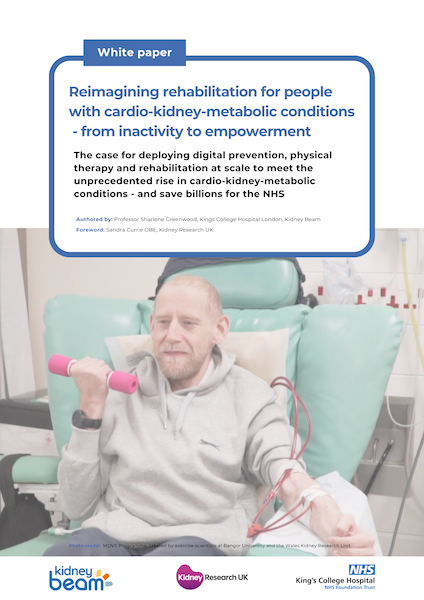
Authored by Professor Sharlene Greenwood, the paper proposes an evidence-based, digitally-enabled solution to help address the CKM crisis, developed with world-leading clinicians at King’s College Hospital London, and clinically proven to improve the quality of life of patients with CKM conditions.
It also includes results from a landmark clinical trial and health economic analysis, published in the Lancet Digital Health, showing that providing digital rehabilitation to people with CKM conditions can save the NHS £580 per patient - an amount that could add up to hundreds of millions, if not billions, if rolled out at scale.
Crucially, the intervention proposed is evidenced as creating minimal additional workload for current health services.
Featuring contributions from collaborators at the National Kidney Federation, UK Kidney Association, NIHR Research Delivery Network and several more key figures in kidney and digital health, the paper supports the NHS “left shift” towards digital, community-led and preventative care, for some of the UK’s most prevalent, complex and costly health conditions.